Electro-Mechanical Weighbridge
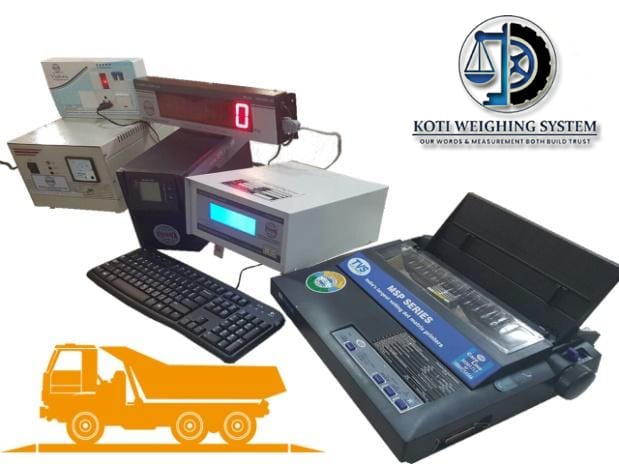
An electro-mechanical weighbridge is a type of weighing equipment that uses both mechanical and electronic components to measure the weight of a vehicle or other heavy object. These weighbridges are also known as semi-electronic weighbridges. Electro-mechanical weighbridges typically consist of a platform, which is supported by a series of levers and springs, and electronic load cells, which measure the weight of the object on the platform. The load cells are connected to a junction box, which is then connected to an electronic indicator or computer system that displays and records the weight data. When a vehicle is driven onto the platform, the weight of the vehicle compresses the springs and causes the levers to move, which in turn compresses the load cells and generates an electrical signal proportional to the weight of the vehicle. This signal is then sent to the junction box, which converts it into a digital signal that can be displayed on the indicator or recorded by a computer. Electro-mechanical weighbridges are known for their accuracy and durability, as well as their ability to withstand harsh environmental conditions. They are typically more accurate than mechanical weighbridges, as the electronic load cells are not subject to the same wear and tear as the mechanical components. Electro-mechanical weighbridges are available in a range of sizes and weight capacities to accommodate different types of vehicles and objects. They can be either above ground or pit-mounted, and can be customized with various options such as remote displays, traffic lights, and RFID tagging systems. Overall, electro-mechanical weighbridges offer a good balance of accuracy, reliability, and durability, and are a popular choice for a wide range of applications in industries such as mining, agriculture, logistics, and transportation.